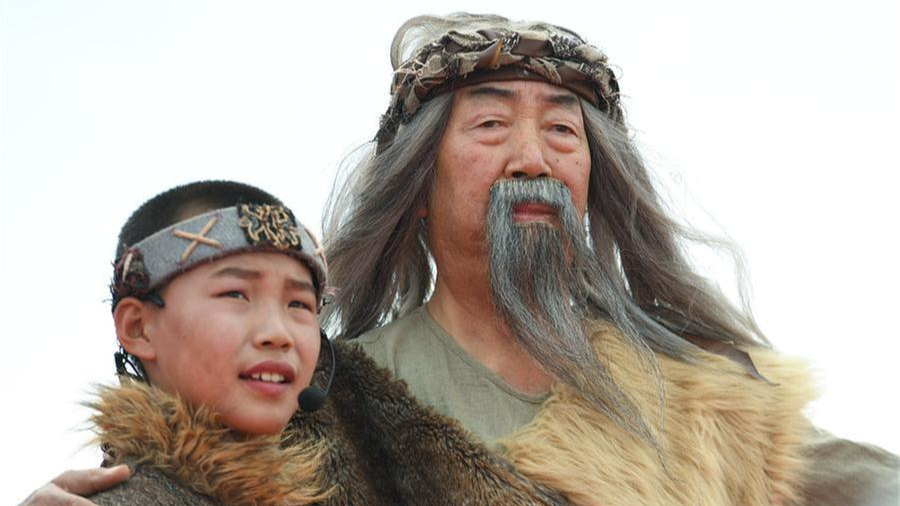
Daur Ethnic Group
Introduction
The Daur Ethnic Group is one of the recognized ethnic groups in China. Predominantly found in the northeastern regions of the country, the Daur people have a rich cultural heritage and history that traces back to the early centuries. The group has managed to retain unique cultural traits while also integrating aspects of modern life. Their cultural expressions are vibrant, encompassing traditional clothing, festivals, and a unique language, all of which play significant roles in maintaining their ethnic identity. Understanding the Daur Ethnic Group involves delving into their history, culture, societal structure, and economic practices, which together form the backbone of their vibrant community.
History
Origin and Migration
The Daur people are believed to have originated from the upper-middle reaches of the Amur River. Historical narratives suggest that they may be descendants of the Khitans, a nomadic people who established the Liao Dynasty from 916 to 1125. In the latter half of the 17th century, the Qing (1644-1911) government reorganized the Daur people and relocated them to the Nenjiang Basin. This migration marked a significant phase in the history of the Daur people, influencing their settlement patterns and social structures.
Population and Distribution
The Daur people predominantly reside in the northeastern part of the Inner Mongolia autonomous region, Qiqihar city in Heilongjiang province, and Tacheng prefecture in the Xinjiang Uygur autonomous region. These areas provide a variety of living conditions, allowing the Daur people to engage in diverse methods of production. The distribution of the Daur population across these regions reflects historical migration patterns and government resettlement policies, contributing to the rich cultural and social tapestry of each area.
Culture
Language
The Daur language is a unique aspect of their cultural identity. Historically, the Daur lacked a written script of their own and adopted the Manchu script during the Qing Dynasty. In modern times, the Daur people have developed several phonetic transcription methods to preserve their language. The language is a vital cultural tool that helps sustain traditional knowledge and oral histories, passing them from one generation to the next.
Traditional Clothing
Traditional Daur clothing reflects the practical and aesthetic sensibilities of the ethnic group. The garments are typically crafted to suit the harsh climates of their native regions, often incorporating natural materials. Traditional attire is worn during cultural festivals and ceremonies, serving as a marker of ethnic identity and pride. Recent initiatives by designers from the Daur community seek to blend traditional styles with contemporary fashion, thus preserving the cultural significance of these garments while making them accessible to a broader audience.
Festivals and Celebrations
The Kumule Festival is one of the most prominent cultural celebrations of the Daur ethnic group, held annually to celebrate their rich heritage. It involves various performances, including dance dramas that depict the history and everyday life of the Daur people. Such festivals are crucial in promoting cultural unity and continuity among the Daur, allowing them to express and celebrate their distinct cultural identity.
Cuisine
Daur cuisine is characterized by its reliance on local resources, with traditional dishes often featuring game, fish, and various grains. The culinary practices reflect the Daur’s historical reliance on farming, fishing, and hunting. Festivals and communal gatherings serve as opportunities to showcase traditional dishes, which play a significant role in their cultural expressions.
Art
Art is an integral component of Daur culture, encompassing music, dance, and crafts. Daur folk songs, recognized as national intangible cultural heritage, are cherished and actively promoted to ensure their preservation. The art forms are not only a means of aesthetic expression but also serve as vehicles for cultural transmission, teaching younger generations about their heritage and traditions.
Social Structure
Historically, the Daur people organized their society through clan systems. The primary unit was the "Hal", a paternal alliance that functioned as the core economic and social structure. These were further divided into smaller units called "Mokun", which facilitated both production and mutual aid among members. This social structure was effectively integrated into the Qing Dynasty’s Eight Banners system, showcasing the adaptability of the Daur social organization.
Economy
Traditional Occupations
Traditionally, the Daur people have engaged in farming, fishing, hunting, lumbering, and grazing. These occupations were largely influenced by the geographical and environmental conditions of their native regions. The versatile economic practices reflected the diverse ecosystems they inhabited, allowing them to adapt to various environmental challenges.
Modern Developments
In recent years, the Daur community has experienced significant economic transformations. The integration of modern agricultural techniques and participation in the broader market economy has diversified their economic activities. Initiatives to promote ethnic tourism have also emerged, leveraging the unique cultural heritage of the Daur people to create new economic opportunities. Efforts to preserve traditional occupations while embracing modern economic practices highlight the dynamic nature of the Daur economic landscape.
Cultural Promotion and Preservation
Efforts to promote and preserve Daur culture have gained momentum in recent years. Cultural heritage programs and festivals play a crucial role in sustaining the traditional practices of the Daur people. Initiatives to document and adapt folk songs, as well as to revitalize traditional arts and crafts, are actively pursued by community members and cultural organizations. The recognition of Daur cultural elements as intangible cultural heritage underscores the importance of preserving these traditions for future generations.








